How to Reduce Noise Between Rooms: Simple Soundproofing Guide for Homes & Offices
Most noise problems are caused by sound leaking through weak points, not echo.
This guide shows you how to reduce noise transfer using simple, effective soundproofing steps.
Identify the noise leakage points
Noise usually escapes through:
- door gaps
- thin walls
- windows
- electrical outlets
- ceilings or floors (in apartments)
Why this matters:
Sound travels through any opening.
If you don’t block the leak, soundproofing won’t work.
Start with the biggest weak point: the door
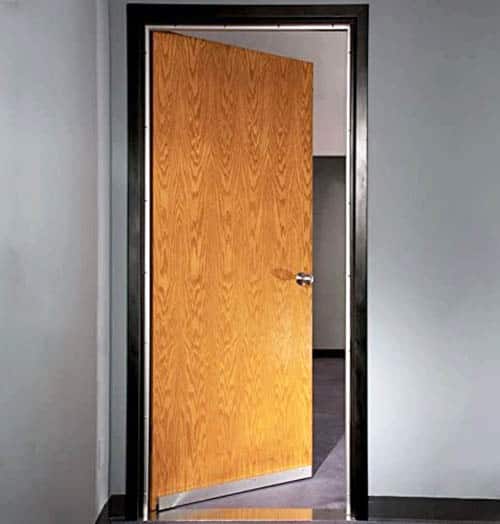
Doors are the #1 cause of noise leakage.
Fixes:
- Install a Door Seal Kit
- Add a door bottom seal
- Replace hollow-core doors (if possible)
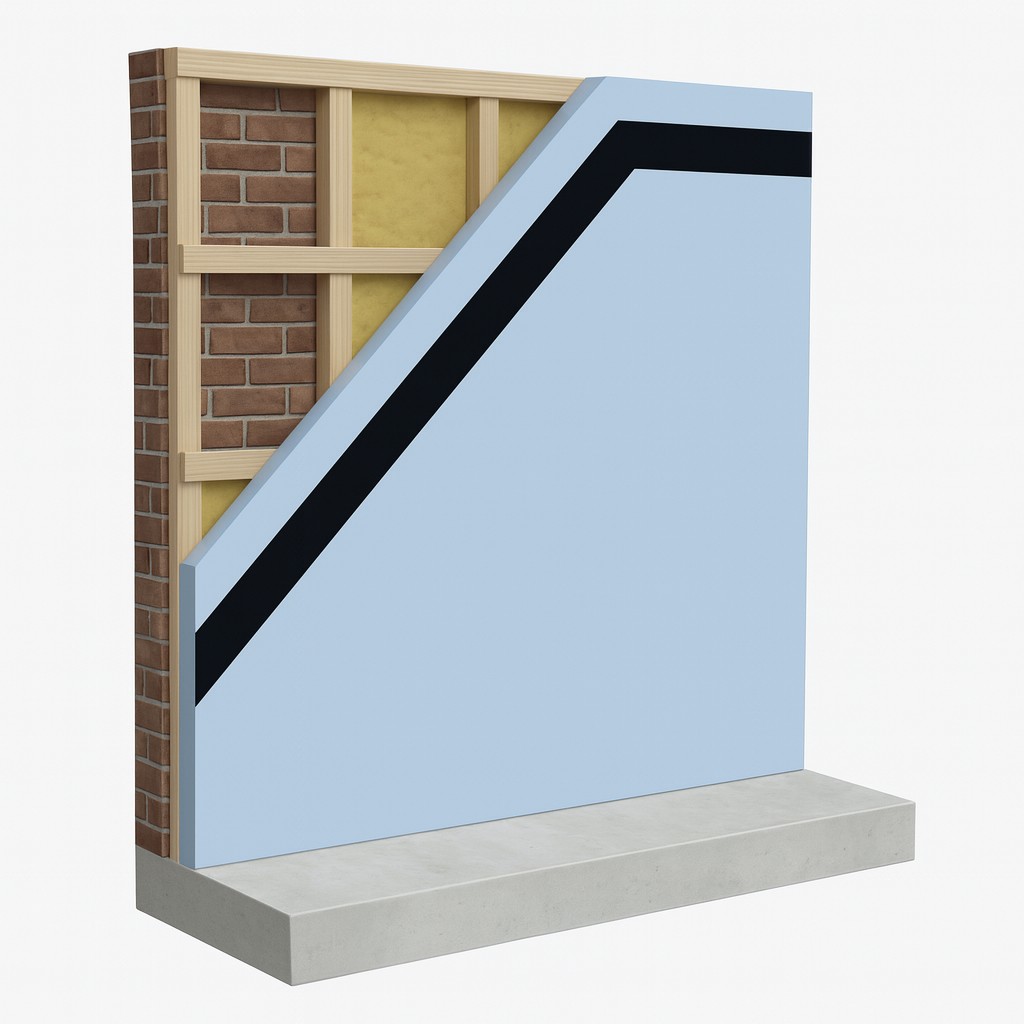
Add mass to walls using MLV
If the wall is thin, sound passes easily.
Best solution:
- MLV (Mass Loaded Vinyl) — heavy, flexible sound-blocking material
- sandwich between plasterboards
Fix sound flanking paths
Sound may travel around treated walls.
Check for:
- ceiling gaps
- floor gaps
- shared ducts / vents
- window frames
Seal with:
- acoustic sealant
- edge strips
- weather stripping
For offices: fix privacy issues
Noise spreading between meeting rooms?
Likely due to:
- unsealed doors
- shared walls
- glass partitions with gaps
Solutions:
- door seals
- add mass to walls
- apply acoustic privacy film on glass
- install MLV under carpets (optional)
Summary: What actually works?
✔ Works well:
- MLV
- Door seal kits
- Added wall mass
- Proper sealing
✖ Doesn’t work for soundproofing:
- egg cartons
- foam panels
- curtains
- rugs
(These only help echo, not soundproofing.)
Find more info at
NRC vs STC article
What Is Acoustics
Echo vs Reverberation
If you need to speak to someone, feel free to Contact Us.
0 Comments