Acoustics Testing Services
Many acoustic problems are caused by excessive echo rather than noise.
Our Acoustic Testing Service — also known as a Sound Comfort Assessment — helps determine how sound behaves in a space before any acoustic treatment is recommended.
This assessment focuses on RT60 (reverberation time) to evaluate whether a room is suitable for speech-based activities such as meetings, learning, or consultations.
What is Acoustic Testing?
Acoustic testing measures how sound reflects and decays within an enclosed space.
One of the key parameters measured is RT60, which indicates how long sound takes to reduce by 60dB after the sound source stops.
In practical terms, this tells us whether a space has excessive echo that may affect speech clarity, concentration, and overall comfort.
What Is a Sound Comfort Assessment?
A Sound Comfort Assessment is our assessment-led approach to acoustic testing.
Rather than immediately recommending materials or treatments, we first evaluate the acoustic condition of the space using RT60 measurements and usage analysis.
This helps ensure that any acoustic solution proposed is appropriate, effective, and proportionate.
Why Acoustic Testing Matters
Every space has a unique acoustic behaviour. Without proper testing, it’s difficult to understand:
- why echo is happening
- how long sound lingers (RT60)
- where reflections occur
- why voices or music sound unclear
- whether materials are absorbing sound effectively
- whether noise is leaking into/out of the room
Our acoustic testing service gives you accurate, real data and clear insights to determine the right treatment — no guesswork, no overspending.
What We Measure
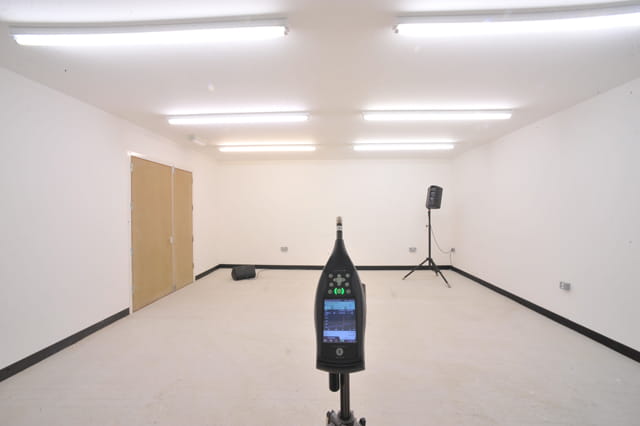
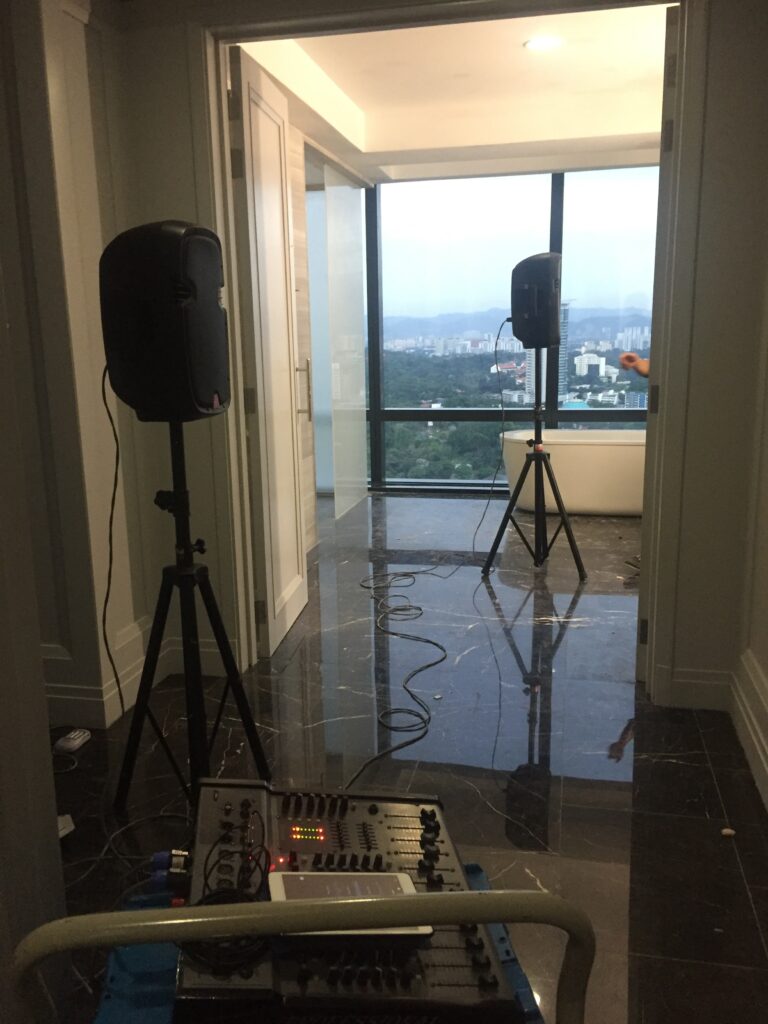
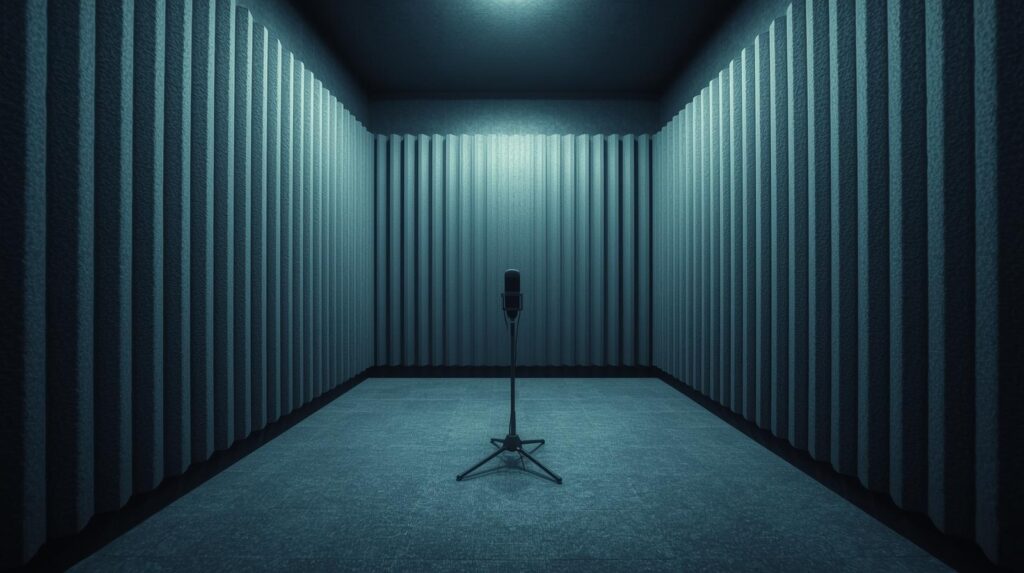
1. RT60 (Reverberation Time)
How long sound stays in the room after the source stops.
This is the most important measurement for:
- classrooms
- churches
- halls
- meeting rooms
- studios
2. Sound Reflection & Echo Behaviour
We identify:
- slap echo
- flutter echo
- early reflections
- problematic surfaces
3. Clarity & Speech Intelligibility
We assess how easily voices can be understood in your space.
4. Noise Leakage Assessment (Airborne Path)
We check if sound is leaking through:
- walls
- ceilings
- floors
- doors
- gaps & flanking paths
5. Material Impact Analysis
We evaluate how your existing materials (glass, tiles, walls, furniture) affect acoustics.
What You Receive
You will get a clear, easy-to-understand breakdown, including:
- ✔ On-site RT60 acoustic testing
- ✔ Focus on speech frequencies (500Hz – 2000Hz)
- ✔ Evaluation of room size, layout, and usage
- ✔ Clear and easy-to-understand summary report
- ✔ Recommended RT60 target range
- ✔ Practical next-step recommendations
This helps you make informed decisions without confusion.
Link to Identify Acoustic Problems Checklist
What This Service Does NOT Cover
✘ Soundproofing between rooms
✘ External noise intrusion
✘ Studio-grade acoustic design
✘ Installation of acoustic materials
If sound isolation is required, this will be identified during the assessment and clearly communicated.
Who This Service Is For
- Schools & universities
- Churches & worship halls
- Multipurpose halls
- Offices & meeting rooms
- Gyms & sports studios
- Restaurants & cafés
- Medical & wellness centres
- Home offices & content rooms
- Cinemas, AV rooms & home theatres
Link to Case Study
When Do You Need Acoustic Testing?
Acoustic testing is recommended when:
- A space sounds echoey or tiring
- Speech is unclear during meetings or lessons
- You are unsure whether acoustic panels are required
- You want to avoid unnecessary or incorrect treatment
In many cases, acoustic testing is the most effective starting point.
Why Assessment Before Acoustic Treatment
Every space behaves differently acoustically.
Installing acoustic materials without prior testing may result in:
- Over-treatment or under-treatment
- Ineffective performance
- Unnecessary cost
Our assessment-led approach ensures solutions are data-informed and aligned with actual needs.
Why Choose Our Acoustic Testing
- Practical testing based on real installation experience
- Clear explanations you can understand — not confusing technical jargon
- Honest recommendations based on your actual room needs
- We prioritise non-toxic, wellness-focused acoustic solutions
- Proven results in churches, halls, schools, offices and commercial spaces
- We never oversell or recommend materials you don’t need
Link to Acoustic Consultation & Diagnosis
FAQ
Do you provide certification-level reports?
We provide practical, real-world testing and recommendations suitable for commercial, educational and worship spaces. (Full lab-certified testing can be arranged upon request.)
Does the test take long?
Most rooms require 30–60 minutes depending on size.
Will you guide me on next steps after testing?
Yes — you’ll receive full recommendations, layout plans and material options.
Call to Action
Need an accurate diagnosis of your echo or noise issues?
Get your RT60 and acoustic behaviour professionally assessed.