Why Acoustics Matter: How Sound Affects Comfort & Clarity
Have you ever walked into a room and felt instantly calm — or instantly stressed — without knowing why?
More often than not, it’s not the design or the lighting.
It’s the sound.
Acoustics isn’t just about noise. It affects:
- how comfortably you can talk
- how well you can focus
- how stressed or relaxed you feel
- how productive your team becomes
- how peaceful your home environment is
In this article, we break down why acoustics matter and how small adjustments can transform the way your space feels.
Our Brains React to Sound Instantly
You don’t consciously think about it, but your brain reacts to sound in milliseconds.
Clear sound = calm brain
Spaces with good acoustics feel:
- comfortable
- balanced
- peaceful
- easy to communicate in
Poor sound = tired brain
Rooms with echo, noise, or harsh reflections cause:
- stress
- mental fatigue
- difficulty concentrating
- irritability
- speech strain
This is why meeting rooms with echo make discussions exhausting — and why noisy homes feel chaotic even when nothing is happening.
Acoustics Affect Speech Clarity
You don’t need to be in a recording studio to benefit from clear acoustics.
Why it matters at home
- You don’t need to raise your voice
- TV dialogue becomes clearer
- Elderly family members hear better
- Children respond faster and communicate more easily
Why it matters at work
- Fewer misunderstandings
- Smoother conversations
- More productive meetings
- Better hybrid or online calls
This is especially important in offices where people rely on speech to work effectively.
Acoustics Influence Focus & Productivity
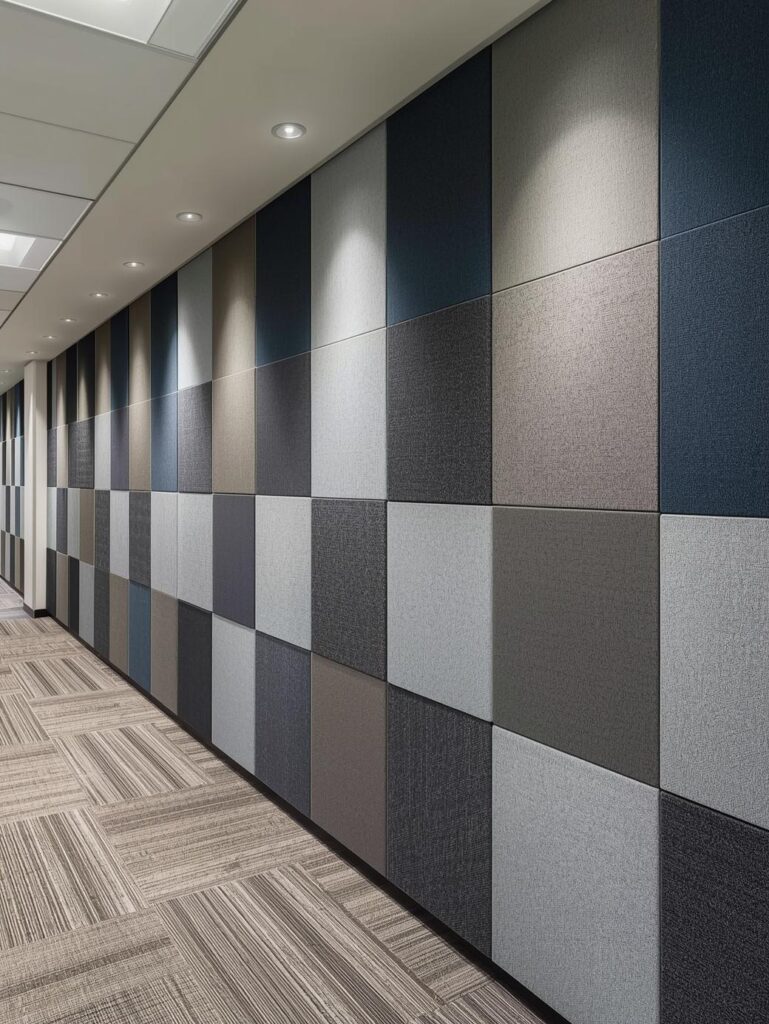
This applies heavily to:
- offices
- study rooms
- meeting rooms
- open workspaces
- home offices
Good acoustics = better concentration
Research shows that reducing noise distractions can increase productivity by up to 15–50%
Poor acoustics = mental fatigue
The brain works harder to filter background noise — draining energy without you realising it.
This is why many companies upgrade acoustics to support deep work and reduce burnout.
Read more on productivity & acoustics
Acoustics Support Emotional Wellbeing

Sound is tied directly to emotional regulation.
Comfortable acoustics create…
- calmness
- comfort
- privacy
- relaxation
Poor acoustics create…
- anxiety
- restlessness
- overstimulation
- frustration
This is especially important for families with babies or people working in stressful environments.
Link to wellness article on wellbeing & acoustics
Small Acoustic Improvements Make a Big Difference
Improving acoustics doesn’t need a full renovation.
The easiest changes:
- add carpets or rugs
- install acoustic panels
- use curtains or soft furnishings
- seal gaps in doors
- place bookshelves to diffuse sound
Just a few adjustments can drastically reduce echo and improve the comfort of your space.
Look for Door Seal Kit / MLV
When Should You Get Professional Acoustic Help?
Consider acoustic treatment if your space has:
- echo or reverberation
- poor sound clarity
- noisy meetings
- sound leaking between rooms
- events, music, worship, or public speaking
Professionals can measure your room and design a targeted solution.
We are here to help! Contact Us.
Summary
Acoustics matters more than most people realise. It shapes:
- clarity
- comfort
- emotional wellbeing
- productivity
- communication
- focus
When you improve sound, you improve how your space feels — and how people feel inside it.
Read more.
(What is Acoustics?)
(Echo vs Reverberation)
(NRC vs STC)
(Acoustic Treatment)
If you need more guidance from someone, feel free to Contact Us.
0 Comments